
Industrial marking solutions have changed significantly over the past few years, far more than many people may realize.
In the past, marking products were often seen as individual stickers, nameplates, or simply mandatory production components. Today, they are expected to support overall product quality, usability, and the manufacturing process itself.
At the same time, the requirements have become more demanding.
Markings must withstand harsh operating environments, function in international markets, comply with standards, and support efficient serial production. A simple “printed label” is no longer enough
Marking solutions play an increasingly important role in product usability and quality
MIn many industrial products, markings are no longer just an additional detail, but an important part of the overall user experience and product functionality.
Markings affect, for example:
- safety
- traceability
- serviceability
- user guidance
- installation efficiency
- the visual quality of the product
At the same time, operating environments have become increasingly demanding. UV exposure, chemicals, moisture, temperature fluctuations, and continuous wear place completely different demands on material selection than they did only a few years ago.
As a result, material expertise has become increasingly important. Markings designed for demanding environments may need to withstand high temperatures, chemicals, and constant mechanical stress.
Serial production requires predictability
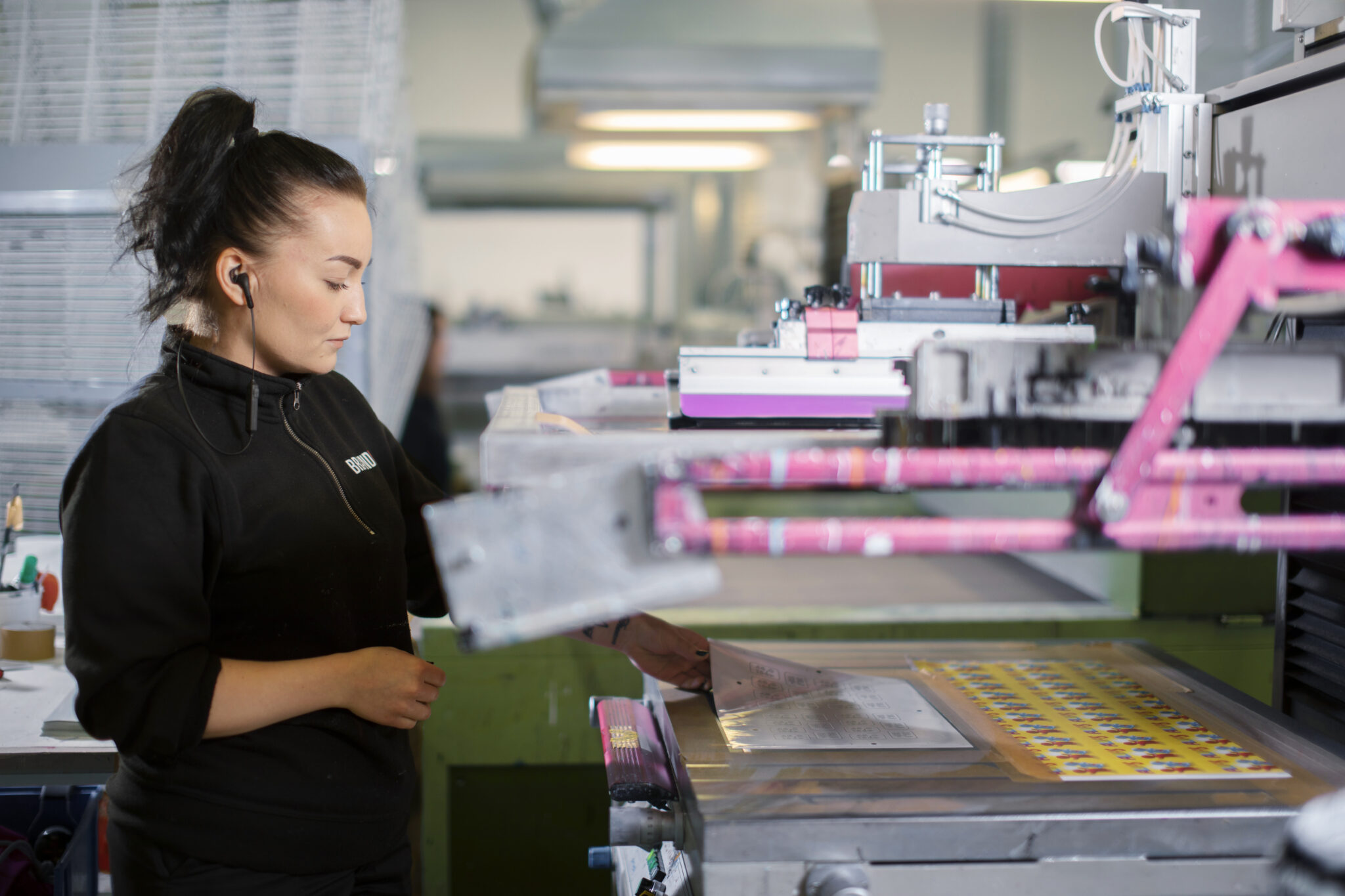
NykIn modern manufacturing, the final product is not the only thing that matters. It is equally important how smoothly the solution functions as part of the production process.
For industrial customers, marking solutions must be:
- consistent in quality
- easy to integrate
- reliable in delivery
- technically compatible
- predictable in production
More and more often, the marking partner is involved already in the early design phase. This makes it possible to consider factors such as material behavior, mounting surfaces, operating environments, and production requirements before manufacturing begins.
This helps reduce later modifications and keeps production running smoothly.
International requirements continue to grow
Many Finnish industrial companies operate internationally, and this is also reflected in the requirements for marking solutions.
Markings often need to meet:
- industry standards
- safety requirements
- traceability requirements
- long service life expectations
At the same time, more attention is being paid to the visual appearance of products than before. In addition to technical performance, markings are also expected to support a high quality and finished product appearance.
More is expected from a partner than manufacturing alone
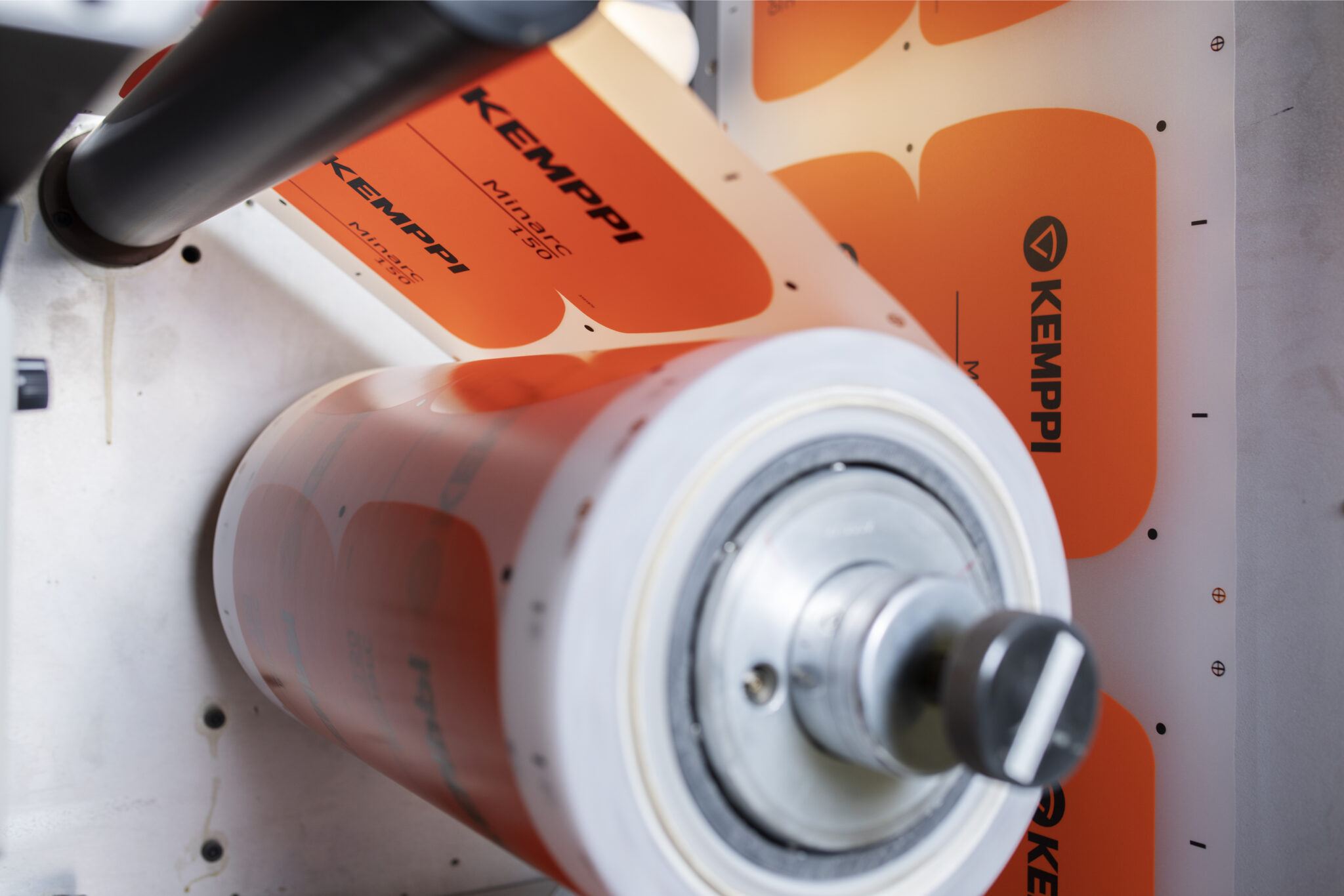
Today, industrial companies increasingly look for partners who understand the customer’s product, production, and operating environment as a whole.
As a result, marking partners are expected to provide:
- material expertise
- technical understanding
- problem-solving capability
- flexibility
- production know-how
- long-term cooperation
It is no longer just about supplying an individual product, but about how well the solution works as part of the customer’s overall process.
At Brand ID, these principles are part of our everyday work. We manufacture marking solutions for demanding environments in our own production facilities in Finland and work closely with our customers from design to production.
Long experience, material expertise, and understanding of different industrial operating environments help us create solutions that continue to perform reliably for years in real use.
Today, far more is expected from a modern marking partner than simply manufacturing products. Our role is to ensure that the solutions function reliably as part of our customers’ products, production, and daily operations.